In today’s fast‑moving educational landscape, the phrase autistic girls early school technology solutions has become more than a buzzword—it’s a lifeline. Picture a bright-eyed girl, Maya, clutching a tablet as she turns a page that never quite fits her rhythm. She isn’t alone. Many autistic girls find traditional classrooms a maze of sensory overload and social pressure. This article explores how the right technology can transform that maze into a well‑lit path, helping students https://www.4shared.com/s/fqv4Nz_Fpjq thrive while keeping the learning process engaging and fun.
Understanding the Unique Learning Landscape
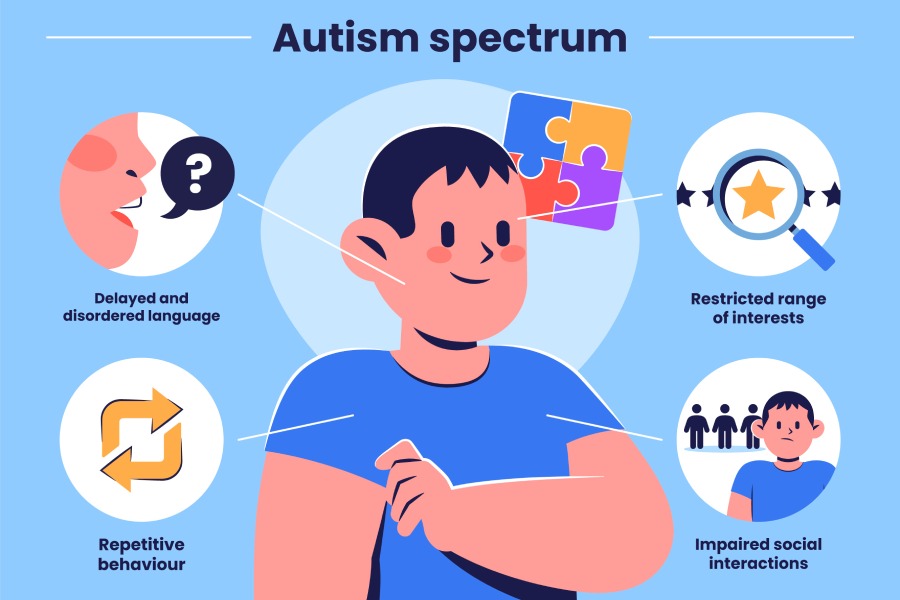
Every child is a puzzle piece, but autistic girls often bring a distinct set of pieces that can be tricky to assemble. Their learning styles differ in subtle yet powerful ways.
Sensory Sensitivities and Attention Patterns
- Bright lights, loud noises, and crowded spaces can feel like a storm, making it hard to focus. Attention often follows a rhythm that isn’t always in sync with the classroom pace. Visual and auditory cues can either calm or overwhelm.
Social Communication Challenges
- Reading facial expressions and tone can be like deciphering an ancient script. Peer interaction sometimes feels like trying to navigate a crowded market—every voice competing for attention. Structured social stories help build a map of expected interactions.
Why Technology Matters for Autistic Girls
The digital age offers tools that can bridge gaps left by conventional methods. These aren’t just gadgets; they’re personalized companions that adapt to each student’s needs.
Personalized Learning Paths
- Adaptive software tailors difficulty levels in real time, like a GPS that recalculates routes as you drive. Visual schedules keep the day predictable, reducing anxiety.
Reducing Anxiety and Building Confidence
- Predictable interfaces give a sense of control—think of it as having a safety net under a tightrope walk. Success in interactive tasks boosts self‑esteem, encouraging students to take on new challenges.
Practical Technology Solutions for Early School Years
Choosing the right tools can feel like picking the right seasoning for a dish—too much or too little can throw the whole recipe off. Below are some tried‑and‑true options.
- iPads or tablets with stylus support for fine‑motor practice. Speech‑to‑text apps that turn spoken words into written text, easing writing tasks. Visual schedule apps (e.g., Choiceworks) that display the day’s activities in pictures. Assistive listening devices that reduce background noise. Interactive whiteboards that let students participate without the intimidation of a chalkboard.
Interactive Apps That Engage
- ABCmouse and Khan Academy Kids offer gamified lessons that reward progress. Proloquo2Go provides a visual language system for those who struggle with speech.
Assistive Devices That Empower
- Headphones with noise cancellation create a quiet bubble in noisy classrooms. Adaptive keyboards with larger keys reduce typing frustration.
Implementing Solutions in the Classroom
Technology is only as good as its integration into daily routines. A thoughtful rollout ensures teachers and students alike benefit.
Teacher Training and Professional Development
- Workshops on differentiating instruction with tech. Peer‑learning circles to share success stories.
Parental Involvement and Home Support
Insurance or government support- Simple tutorials on using apps at home. Regular communication between school and home to align strategies.
* Bullet list of steps for implementation:*
- Conduct an individual assessment of each student’s needs. Select tools that align with identified goals. Pilot the tools in a small group before full deployment. Gather feedback and adjust as necessary.
Success Stories and Real-World Impact
Maya’s story illustrates the power of these solutions. When her school introduced a tablet‑based reading app, she moved from a hesitant reader to a confident presenter, sharing her favorite story with the class. Her parents noted a 40% improvement in her reading fluency within six months.
> “Education is the most powerful weapon which you can use to change the world.” – Nelson Mandela
Maya’s journey shows that the right technology can turn a silent struggle into a triumphant narrative.
Making Your Selection Count
Choosing the right autistic girls early school technology solutions is like picking the right pair of shoes for a marathon—you need comfort, support, and durability. Start by identifying the student’s primary challenges, then match those with tools that address them. Remember, the goal isn’t to replace human interaction but to enhance it.
- Assess needs: Sensory, social, academic. Research options: Look for evidence‑based tools. Pilot and iterate: Test, gather feedback, refine.
By weaving technology thoughtfully into the educational fabric, teachers and parents can create an environment where autistic girls feel seen, heard, and empowered. The future of learning is inclusive, and with the right tools, every child can find their own rhythm in the classroom’s ever‑changing beat.